Why Are 1000W Modified Sine Wave Inverters Still Used in Off-Grid Power Systems?
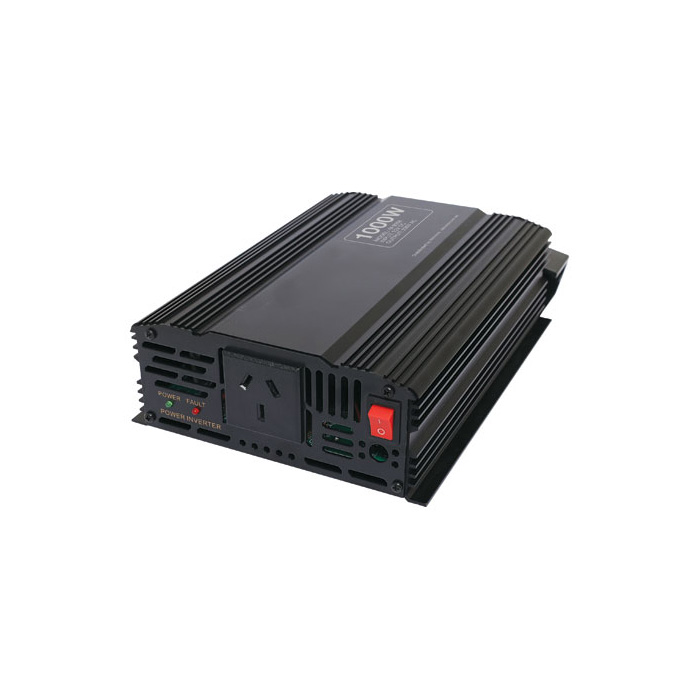
As off-grid lifestyles expand, the 1000W Modified Sine Wave Inverter remains a practical power conversion option for many basic electrical applications, especially where portability, cost control, and simple energy needs are important.
The Continued Role of Small-Scale Power Conversion in Off-Grid Applications
Off-grid power systems are becoming increasingly common in areas such as camping, recreational vehicles, remote work locations, emergency preparation, and small solar energy setups. These systems often require a reliable method to convert stored battery power into usable AC electricity.
Although newer inverter technologies have gained attention, traditional solutions still have a place in specific scenarios. The reason is not only related to technology but also to application requirements. Many users do not need to operate sensitive electronic equipment or high-power appliances. Instead, they need a practical way to support everyday devices such as lighting equipment, small tools, communication devices, and basic household electronics.
A 1000W Modified Sine Wave Inverter is designed to convert DC power from batteries into AC power for these types of applications. Its continued use reflects the diversity of off-grid energy needs rather than a single approach to power management.
Understanding Why Modified Sine Wave Technology Remains Relevant
Inverter technology mainly focuses on converting direct current (DC) electricity from batteries or solar storage systems into alternating current (AC) electricity. Different waveform designs influence how connected devices operate.
Modified sine wave inverters create a stepped waveform that works effectively with many common electrical loads. While some advanced electronics perform better with pure sine wave output, many basic devices can operate normally with modified sine wave power.
The selection of inverter type usually depends on several factors:
| Consideration | Influence on Inverter Selection |
|---|---|
| Connected devices | Determines compatibility requirements |
| Power demand | Affects inverter capacity choice |
| Energy system design | Influences overall efficiency |
| Budget planning | Impacts technology selection |
| Usage environment | Defines portability and durability needs |
This explains why modified sine wave products continue to appear in certain off-grid systems where straightforward power conversion is the main requirement.
Common Applications in Mobile and Remote Energy Systems
The development of portable energy solutions has changed how people access electricity outside traditional grid environments. Small power systems are now used for outdoor recreation, field activities, backup preparation, and temporary workspaces.
A 1000W power range is often considered suitable for moderate electricity demands. It can support many everyday AC devices without requiring a large and complex energy setup.
Typical application areas include:
Recreational Vehicles and Camping
RV users often need electricity for lighting, charging equipment, small appliances, and entertainment devices. Compact inverter systems can provide additional flexibility when traveling away from fixed power sources.
Emergency Backup Applications
During temporary power interruptions, battery-based systems can provide electricity for essential equipment. In these situations, simple operation and easy connection are important considerations.
Remote Work and Outdoor Projects
Remote locations may require power for communication equipment, laptops, and small electronic devices. Portable energy systems help improve flexibility when grid access is limited.
How Solar Energy Growth Supports Inverter Demand
The expansion of solar energy has increased interest in energy conversion technologies. Solar panels generate DC electricity, while many household and commercial devices require AC power. Inverters create the connection between these two energy forms.
Modern portable energy systems often combine solar panels, batteries, and inverter technology. This combination allows energy collected during the day to be stored and used when needed.
Ningbo Taurus Industry Co., Ltd. focuses on inverter power supplies, portable energy storage power supplies, home energy storage systems, photovoltaic inverters, and foldable solar panel products. The company has developed renewable energy products supported by more than 100 invention patents, utility model patents, and software copyrights.
Factors Influencing Future Development of Off-Grid Inverters
The future of off-grid energy systems is moving toward greater flexibility and smarter energy management. However, different users continue to have different priorities.
Some applications require advanced waveform control and maximum compatibility with sensitive electronics, while others focus on practical power supply for standard equipment.
Important development trends include:
| Trend | Industry Impact |
|---|---|
| Portable energy storage | Creates more flexible electricity access |
| Solar integration | Improves renewable energy utilization |
| Compact designs | Makes outdoor applications easier |
| Better protection systems | Supports safer operation |
| Intelligent monitoring | Helps users manage energy consumption |
These trends show that inverter technology is developing in multiple directions rather than moving toward only one solution.
Choosing the Right Inverter for Different Energy Needs
Selecting an inverter requires understanding the actual electrical requirements of the application. Factors such as device type, operating environment, battery capacity, and expected usage time all influence the final choice.
For simple loads, a modified sine wave design may provide an efficient and practical option. For equipment with strict power quality requirements, users may consider other inverter technologies.
The important point is matching the power system with the intended application rather than choosing based only on technical specifications.
The Future of Small-Scale Off-Grid Power Systems
As outdoor activities, mobile work, and renewable energy adoption continue to expand, small-scale power systems will remain an important part of modern energy use. Different inverter technologies will continue serving different application scenarios.
The 1000W Modified Sine Wave Inverter represents a practical approach within this broader energy landscape. By combining inverter power supplies, portable energy storage power supplies, photovoltaic inverters, and related technologies, Ningbo Taurus Industry Co., Ltd. continues to participate in the development of flexible power solutions for changing energy needs.