How Can a Portable Power Source Keep Your Devices Running Anywhere?
Reliable electricity is no longer limited to homes, offices, or industrial buildings. A portable power source provides stable and flexible energy for outdoor work, emergency backup, travel, construction sites, camping, and off-grid applications. This guide explains how portable power systems work, what features matter most, and how to choose the right solution for your power needs.
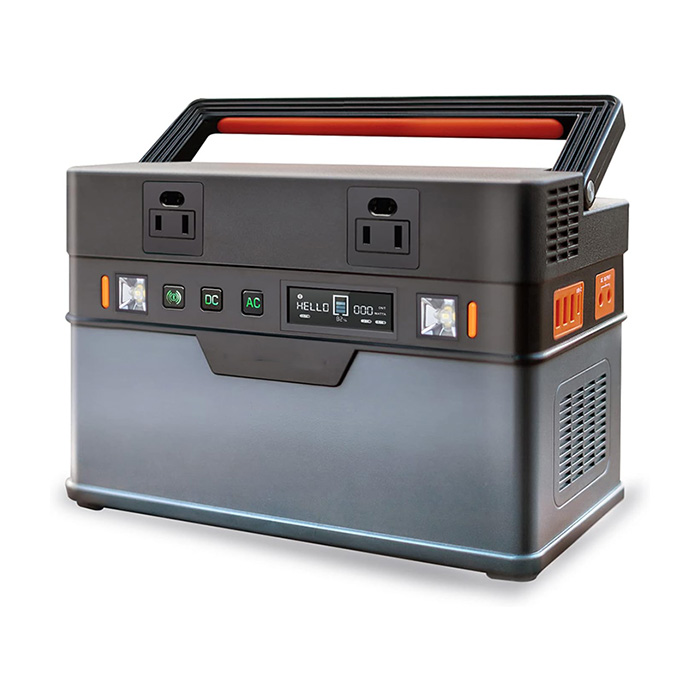
Table of Contents
What Is a Portable Power Source?
A portable power source is a movable energy storage and supply system designed to provide electricity whenever and wherever it is needed. Unlike traditional fixed generators or wall outlets, portable power units can operate independently and support a wide range of electrical devices.
Modern portable power systems often include rechargeable lithium batteries, inverter technology, multiple output ports, and solar charging compatibility. These systems are commonly used for:
- Outdoor recreation and camping
- Emergency backup during power outages
- Mobile office setups
- Construction and engineering projects
- Medical equipment backup
- RV and van life applications
- Remote industrial operations
Compared with traditional fuel generators, many modern portable power stations operate quietly, produce no direct emissions, and require minimal maintenance.
Why Portable Power Solutions Matter Today
Power interruptions and mobile energy demands are increasing across both residential and commercial sectors. Businesses and individuals now rely heavily on electronic devices, communication systems, and portable tools. A dependable portable power source helps prevent downtime and improves operational flexibility.
Main customer pain points solved by portable power systems:
| Customer Problem | Portable Power Solution |
|---|---|
| Unexpected blackouts | Provides emergency backup electricity |
| Lack of power in remote locations | Delivers off-grid energy support |
| Noisy fuel generators | Quiet battery-powered operation |
| Rising fuel costs | Rechargeable and solar-compatible systems |
| Multiple device charging needs | Supports AC, USB, and DC outputs |
Portable energy systems are becoming essential tools for households, outdoor professionals, emergency responders, and industrial users alike.
How Portable Power Systems Work
A portable power source typically stores electricity inside a rechargeable battery pack and converts that energy into usable electrical power through an inverter system.
The process generally includes:
- Charging the internal battery using AC wall power, solar panels, or vehicle charging.
- Storing electricity safely through advanced battery management systems.
- Converting DC battery power into AC power suitable for appliances and devices.
- Delivering stable voltage through multiple output interfaces.
Advanced models may include pure sine wave inverters, intelligent cooling systems, LCD monitoring displays, overload protection, and fast charging capabilities.
Typical Output Options Include:
- AC wall outlets
- USB-A and USB-C ports
- 12V DC outputs
- Wireless charging pads
- Solar charging inputs
Key Features to Look For
Choosing the right portable power source requires evaluating several important technical and practical factors.
| Feature | Why It Matters |
|---|---|
| Battery Capacity | Determines runtime and power storage |
| Output Wattage | Supports larger appliances and tools |
| Portability | Affects transportation and convenience |
| Charging Speed | Reduces downtime between uses |
| Solar Compatibility | Enables renewable off-grid charging |
| Safety Protection | Prevents overheating and overcharging |
Users should also consider environmental conditions, expected runtime, charging frequency, and the type of equipment being powered.
Common Applications Across Industries
Portable power systems are now widely used across different sectors because of their flexibility and reliability.
Outdoor Recreation
Campers and travelers use portable power units for lighting, cooking devices, communication equipment, and mobile charging.
Emergency Backup
Homeowners rely on backup power during storms, grid failures, and natural disasters.
Construction Sites
Portable electricity supports power tools, testing devices, and temporary lighting systems.
Mobile Business Operations
Field engineers, photographers, and remote workers depend on continuous portable energy access.
Portable Power Source Comparison Table
| Type | Advantages | Best Use Case |
|---|---|---|
| Lithium Battery Power Station | Quiet, rechargeable, low maintenance | Camping, home backup, travel |
| Fuel Generator | High continuous power output | Heavy-duty industrial use |
| Solar Generator | Renewable and eco-friendly | Off-grid and long-term outdoor use |
Maintenance and Safety Tips
Proper maintenance improves battery lifespan and ensures reliable performance.
- Keep the unit in a dry and ventilated environment
- Avoid extreme heat and freezing temperatures
- Recharge the battery regularly during storage
- Use compatible charging accessories only
- Do not overload the power station beyond rated capacity
- Inspect cables and connectors periodically
High-quality systems usually include built-in protection against short circuits, overheating, overvoltage, and excessive discharge.
How to Choose the Right Portable Power Source
The ideal portable power solution depends on your energy requirements and usage environment.
Before purchasing, users should calculate:
- Total wattage of connected devices
- Expected operating duration
- Portability requirements
- Charging availability
- Indoor or outdoor operating conditions
For professional applications, choosing a trusted manufacturer is equally important. Product reliability, battery technology, engineering support, and long-term service all affect operational performance.
Ningbo Taurus Industry Co., Ltd. focuses on advanced portable energy solutions designed for modern residential, commercial, and outdoor applications. Their portable power products are engineered for stable performance, efficient energy management, and flexible usability across multiple industries.
FAQ
Can a portable power source run household appliances?
Yes. Many portable power stations can operate refrigerators, TVs, laptops, lighting systems, and small kitchen appliances depending on their wattage capacity.
How long does a portable power station last?
Battery lifespan depends on battery chemistry, charging cycles, and maintenance. High-quality lithium battery systems can often last several years under normal use.
Is solar charging available?
Many modern portable power sources support solar panel charging, making them ideal for off-grid environments and sustainable energy applications.
Are portable power systems safe for indoor use?
Battery-based portable power stations are generally safe for indoor operation because they do not produce fuel exhaust emissions like traditional generators.
Power Your Projects Anywhere
Whether you need reliable backup electricity, mobile energy for outdoor operations, or flexible off-grid solutions, choosing the right portable power source can significantly improve efficiency and convenience.
Ningbo Taurus Industry Co., Ltd. provides dependable portable energy solutions tailored to modern power demands. If you are looking for high-performance portable power products for residential, commercial, or industrial use, contact us today to discuss your requirements and discover the right solution for your application.