How Does a Solar Roof Hook Improve Solar Panel Installation Safety and Efficiency?
As rooftop solar systems become increasingly common in residential, commercial, and industrial projects, choosing the right mounting components is critical for long-term performance. Among these components, the Solar Roof Hook plays a fundamental role in ensuring structural stability, waterproof integrity, and installation speed. Whether you are a solar installer, distributor, or project contractor, understanding how solar roof hooks work can help prevent costly installation errors and improve overall system reliability.
Abstract
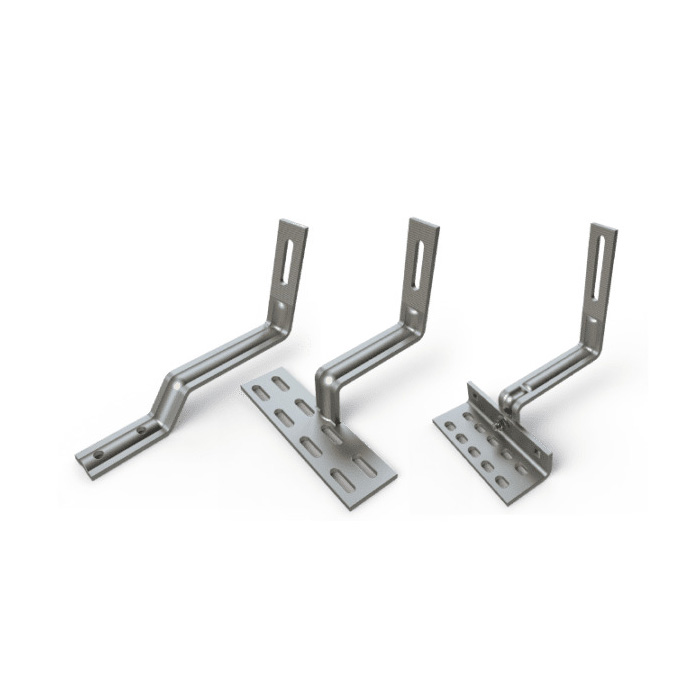
A Solar Roof Hook is a specialized mounting bracket designed to securely attach solar rail systems to tiled rooftops without damaging roofing materials. It provides a strong anchor point between the roof structure and photovoltaic mounting rails. This article explains how solar roof hooks function, why they are essential in solar installations, common customer pain points, material considerations, selection criteria, and best installation practices. With the right product choice, installers can achieve faster setup, stronger load resistance, and longer service life.
Table of Contents
- 1. What Is a Solar Roof Hook?
- 2. How Does a Solar Roof Hook Work?
- 3. Why Is It Important in Rooftop Solar Systems?
- 4. Common Customer Pain Points Solved by Solar Roof Hooks
- 5. Material Types and Their Advantages
- 6. How to Choose the Right Solar Roof Hook
- 7. Product Comparison Table
- 8. Installation Best Practices
- 9. Frequently Asked Questions
- 10. Conclusion
1. What Is a Solar Roof Hook?
A Solar Roof Hook is a metal bracket used to connect solar mounting rails to roof rafters beneath tiled roofs. It is installed underneath roof tiles and fixed directly onto wooden beams or structural roof members. The upper section extends above the tile surface, creating a secure point for rail attachment.
Unlike traditional mounting methods that may compromise roof waterproofing, solar roof hooks are designed to preserve tile integrity while distributing structural loads evenly across the roof frame.
2. How Does a Solar Roof Hook Work?
The working principle of a solar roof hook is straightforward yet highly effective:
- Roof tiles are temporarily removed to expose the rafter beneath.
- The hook base is anchored securely into the roof beam.
- The tile is repositioned with minimal cutting if needed.
- The hook arm protrudes above the tile surface.
- Solar rails are attached directly to the exposed hook arm.
This design creates a stable mechanical connection capable of resisting wind uplift, snow pressure, and long-term environmental stress.
3. Why Is It Important in Rooftop Solar Systems?
Solar roof hooks are indispensable because they directly affect:
- System structural safety
- Roof waterproof protection
- Installation efficiency
- Load-bearing performance
- Solar panel lifespan stability
A poor-quality hook may bend under pressure, corrode prematurely, or loosen over time, causing expensive maintenance problems.
4. Common Customer Pain Points Solved by Solar Roof Hooks
Pain Point 1: Roof Tile Damage During Installation
Modern hook designs minimize tile cutting and reduce breakage risk.
Pain Point 2: Corrosion in Harsh Environments
High-grade stainless steel hooks resist rust in coastal and humid climates.
Pain Point 3: Complex Installation Delays
Pre-engineered hook systems shorten labor time and simplify alignment.
Pain Point 4: Weak Wind Resistance
Precision-engineered hooks provide superior uplift resistance in high-wind regions.
5. Material Types and Their Advantages
| Material | Advantages | Best Use Case |
|---|---|---|
| Stainless Steel SUS304 | Excellent corrosion resistance | Coastal regions |
| Stainless Steel SUS316 | Superior salt resistance | Marine environments |
| Aluminum Alloy | Lightweight and economical | Low-load projects |
6. How to Choose the Right Solar Roof Hook
- Match hook design with roof tile type
- Verify load-bearing certification
- Select corrosion-resistant materials
- Check compatibility with mounting rails
- Ensure easy installer adjustment options
For example, adjustable roof hooks are ideal when roof surfaces are uneven or tile spacing varies.
7. Product Comparison Table
| Feature | Standard Hook | Adjustable Hook |
|---|---|---|
| Height Flexibility | Fixed | Adjustable |
| Installation Speed | Fast | Moderate |
| Roof Adaptability | Limited | Excellent |
8. Installation Best Practices
- Inspect roof structure before drilling.
- Use precise rafter positioning tools.
- Apply correct torque values on fasteners.
- Avoid overtightening that cracks tiles.
- Test rail alignment before panel mounting.
Professional installers often save hours of labor simply by choosing hooks designed for fast alignment and fewer adjustment steps.
9. Frequently Asked Questions
Q1: Can solar roof hooks fit all tile roofs?
No. Different tile shapes require specific hook models.
Q2: How long does a solar roof hook last?
High-quality stainless steel hooks can last over 25 years under normal conditions.
Q3: Are adjustable hooks better than fixed hooks?
They offer more flexibility, especially on uneven roofs, but may cost slightly more.
Q4: Do hooks affect roof waterproofing?
Properly installed hooks preserve waterproof integrity when flashing and sealing are correctly applied.
10. Conclusion
The Solar Roof Hook is a small component with a major impact on solar mounting reliability. It protects roof integrity, strengthens structural safety, and accelerates installation efficiency. Choosing premium-quality hooks from experienced manufacturers helps reduce installation risks and long-term maintenance costs.
As a trusted manufacturer in solar mounting solutions, Ningbo Taurus Industry Co., Ltd. provides durable and precision-engineered Solar Roof Hook systems tailored for global rooftop solar projects. If you are looking for dependable mounting hardware that delivers performance and long service life, contact us today and let our team help you find the ideal solution for your next solar installation project.